Top Picks
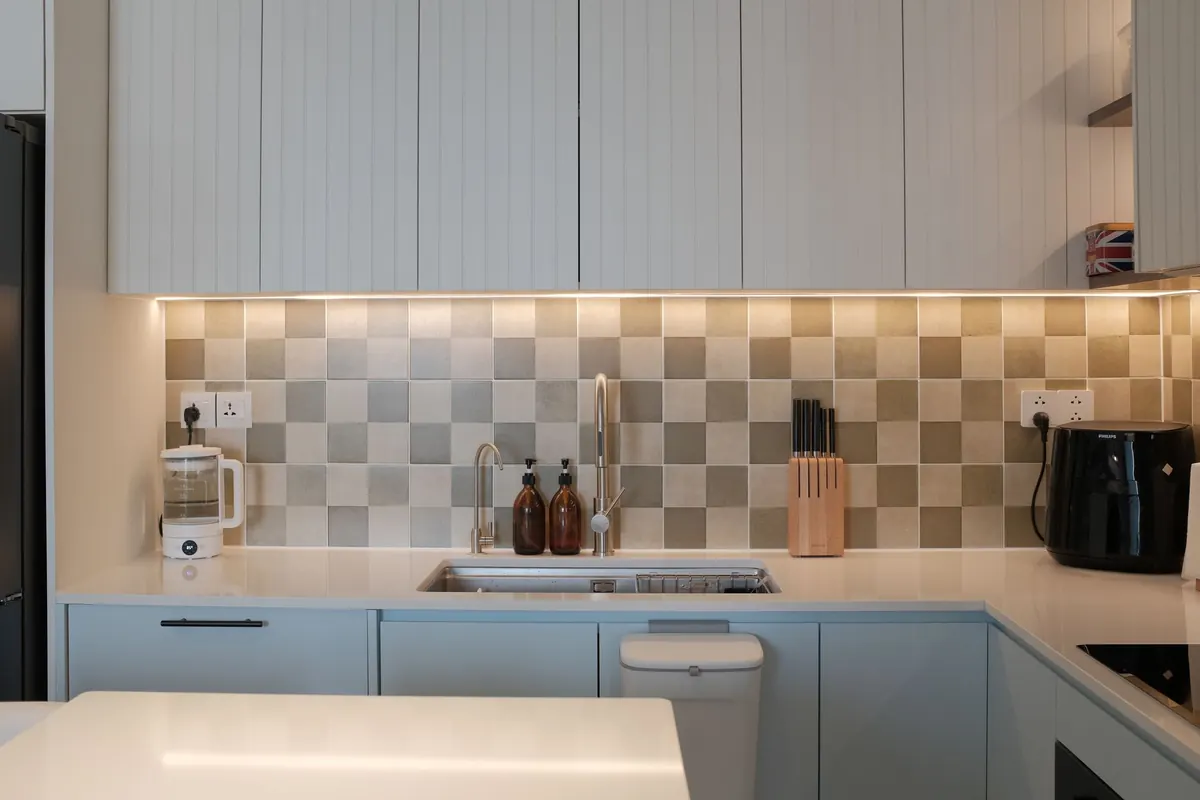
Top Picks for Small Apartments: 7 Space-Saving Kitchen Appliances
Small apartment kitchens rarely fail because they lack appliances. They fail because the appliances don’t fit the way you actually cook, clean, and store things. A gadget that takes up permanent counter space but only does one job is a poor trade, no matter how clever the marketing makes it sound. The picks below are chosen for footprint, storage flexibility, and usefulness—not novelty. Some are genuinely small; others are full-size in the one dimension that matters. Before you buy anything, measure.
Measure First, Then Choose
Space-saving is not the same as miniature. A tiny appliance that wobbles on the counter or needs constant refilling can be more annoying than a slightly larger one that works properly. Start with the real constraints of your kitchen.
- Counter depth from the wall to the front edge, and how much landing space you need next to the sink or stove.
- Height from the counter to the bottom of the upper cabinets, including any under-cabinet lighting or trim.
- Door swing, lid clearance, and whether you can open the appliance without moving it.
- Outlet location and cord length. For high-power appliances, check the breaker capacity; if you are unsure, ask an electrician.
- Where the appliance will live when it is not in use. If there is no home for it, it will become clutter.
Write those numbers down. Then measure the appliance’s footprint and its ventilation clearance. A model that fits the counter but not under the cabinets is not a space-saving pick.
Cooking Picks That Earn Their Counter Space
In a small kitchen, cooking appliances should replace something else rather than add to the pile. These three cover quick meals, small-batch roasting, and one-pot cooking without demanding a full battery of pots and gadgets.
1. Portable Induction Burner
A single-burner induction cooktop is slim, easy to wipe, and useful when your stove has only two burners or heats unevenly. It gives precise control for simmering, searing, and keeping a pot warm. Choose a low-profile model with a smooth surface and a cord that reaches your outlet without an extension cord stretching across the sink. Check that your cookware is magnetic; induction needs a compatible base. When you are done, the burner can stand on its side in a cabinet or on a shelf. Use it on a heat-safe surface, and leave space around the vents. It is not a replacement for a full range, but it is a practical second burner for small apartments.
2. Air Fryer Toaster Oven Combo
This is the appliance that replaces a toaster, a small oven, and often a separate air fryer. Look for a model that fits under your upper cabinets with room for vents and a door that opens without hitting the backsplash. A drop-down door is common, so measure the clearance in front of it. Use it for toast, roasted vegetables, reheating leftovers, and small batches of protein. It will not handle a large sheet pan or a holiday roast, but it covers most day-to-day cooking. Keep the crumb tray clean, and do not pack it against the wall. If you already have a reliable toaster and a full oven, this pick may be redundant; if you have neither, it earns its place quickly.
3. Electric Pressure Cooker
A multi-function pressure cooker can replace a slow cooker, rice cooker, and steamer in one pot. That matters when cabinet space is tight and you do not want three appliances competing for the same outlet. A three-quart model is compact enough for small apartments; a six-quart is more versatile if you cook for two or more people and have a cabinet tall enough to store it. It is excellent for beans, stews, rice, and one-pot meals, but it does require a little learning. Read the manual, respect the fill line, and give yourself time to get comfortable with the release valve. When it is not in use, store the inner pot inside the cooker to save space.
Cleaning and Prep Without a Cabinet Full of Gadgets
Two small appliances can make a surprising difference here: one takes over the dish pile, and the other replaces a bulky blender.
4. Countertop Dishwasher
If your apartment has no built-in dishwasher, handwashing can take over the sink and the counter. A countertop model connects to the faucet, sits on the counter, and handles a day’s dishes for one or two people. It is not a universal win: it occupies counter space, needs a nearby faucet, and may not fit under low cabinets. Measure the height with the lid open and check the hose reach. Choose a model with a removable basket and a quick cycle. It can replace a dish rack and free up sink space, which is often the real bottleneck in a small kitchen. If you mostly use one plate and one mug, it may not be worth the footprint; if you cook often, it can be.
5. Immersion Blender
An immersion blender stores in a drawer, blends soup directly in the pot, and handles sauces, smoothies, and baby food without a countertop blender base. Choose one with a detachable shaft and a sturdy motor; the cheap ones can struggle with thick mixtures. It is not meant for crushing ice or large batches, but it covers most small-kitchen blending jobs. Use a tall cup for smoothies to avoid splatter, and keep the blade guard clean. This is one of the few appliances that genuinely saves space because it replaces something larger rather than adding a new category of clutter.
Cooling and Hot Water in Tight Corners
The biggest appliance in a small kitchen is often the fridge, and the smallest hot-water habit can still take up counter space. Both deserve careful choices.
6. Compact Fridge
If you are replacing a fridge, measure the opening, the doorway, and the path to the kitchen before you buy. A slim under-counter or 24-inch model can fit a tight layout, especially if you choose a reversible door and adjustable shelves. A top-freezer model with a flat back often uses depth more efficiently than a bulky older unit. Leave clearance around the sides and back for ventilation, and do not put it directly next to the oven. Think about the freezer you actually use: a small but usable freezer drawer is better than a tiny icebox that holds one bag of peas. If you are renting, check whether the appliance is yours to replace before you order anything.
7. Collapsible Electric Kettle
A collapsible kettle is a niche pick, but it makes sense in a kitchen where every square inch is contested. It folds down to a few inches, stores in a drawer or on a shelf, and handles tea, pour-over coffee, and instant noodles. Look for food-safe silicone, a stainless steel heating plate, and a lid that locks securely. It will not boil as fast as a full-size kettle, and the capacity is smaller, so it is best for one or two people. If you boil water several times a day, a low-profile stainless kettle that fits under the cabinets may be the better trade. If you only need hot water occasionally, the collapsible version earns its drawer space.
A Quick Buying Checklist
- Measure twice: counter depth, height clearance, door swing, and storage spot.
- Check the outlet and cord length; avoid permanent extension cords across walkways.
- Prefer appliances that replace at least one other tool you already own.
- Choose models that store vertically, nest, or fold when not in use.
- Read the ventilation and clearance instructions before you commit.
- Test the appliance during the return window, and keep the receipt.
- Think about cleaning and noise, not just size.
Make the Small Kitchen Work Harder
The best appliance is the one you use weekly and can put away without a fight. Start with the job you do most—quick meals, dishwashing, coffee, reheating—and choose the tool that makes that job easier. Add one piece at a time, and clear a permanent spot for it before it arrives. A small kitchen rewards restraint and a tape measure more than a long wish list. If you cannot find a home for an appliance, it will become clutter. That is the real test.
Photo: Huy Phan / Pexels
Related Articles